
Compare Local Contractors for Accessible Bathroom Remodels
Compare local contractors for accessible bathroom remodeling to define project scope, verify experience, and set clear expectations in writing for a successful upgrade.
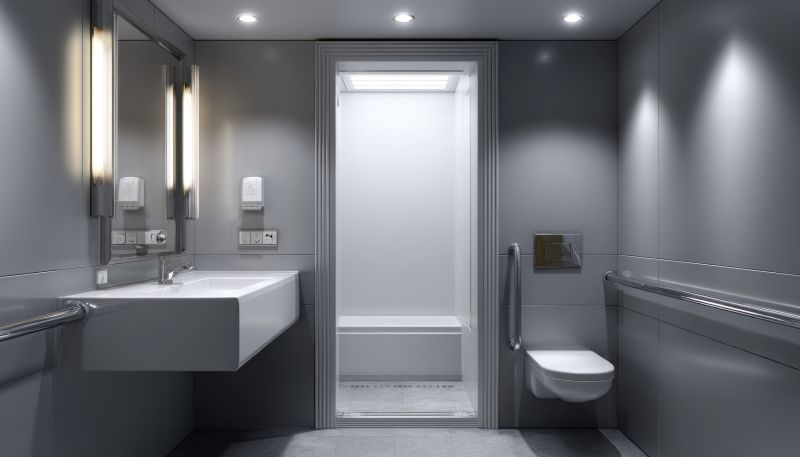
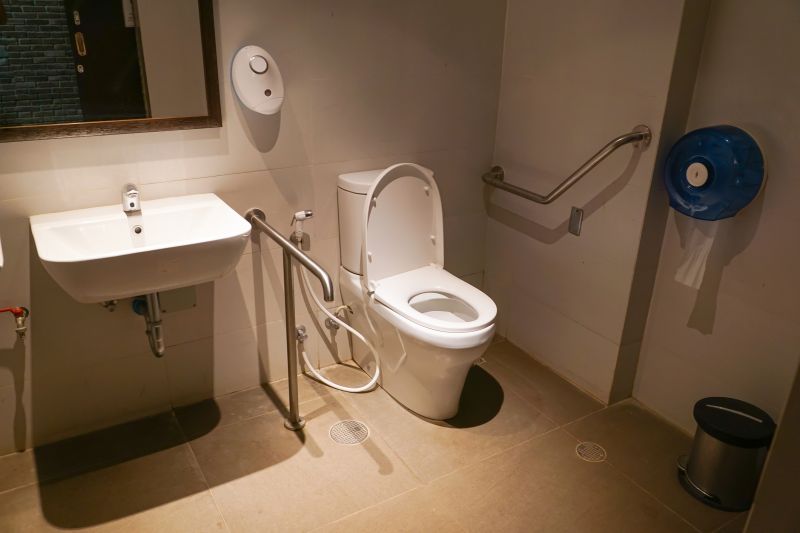
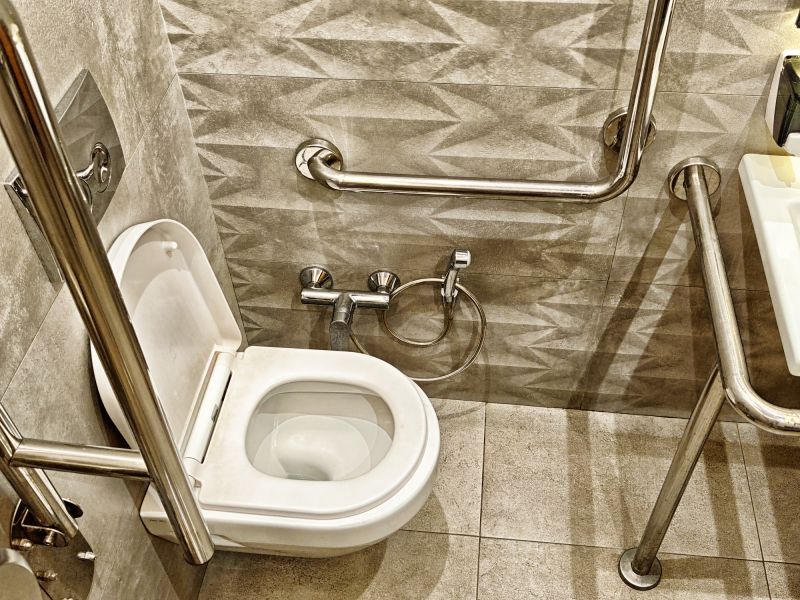
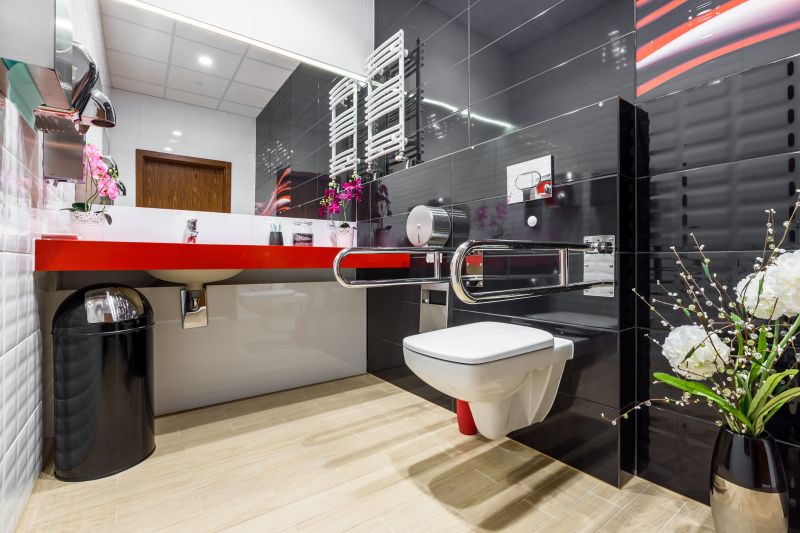
Accessible bathroom remodeling typically includes modifications designed to improve safety, accessibility, and convenience for individuals with mobility challenges or other special needs. Common updates involve installing grab bars, walk-in showers, non-slip flooring, raised toilets, and wider doorways to facilitate easier movement. These projects often focus on creating a space that meets specific accessibility standards while maintaining functionality and comfort, ensuring that the bathroom remains practical for everyday use.
Clearly defining the scope of work is essential to ensure that property owners and contractors share the same expectations. A well-outlined scope includes details about the specific modifications needed, the materials to be used, and any structural or plumbing adjustments required. Having this information in writing helps prevent misunderstandings, facilitates accurate planning, and ensures that all parties are aligned on the project’s objectives. It also provides a foundation for evaluating the experience and capabilities of potential service providers.
When comparing local contractors for accessible bathroom remodeling, property owners should consider their experience with similar projects and their familiarity with accessibility standards. It’s helpful to review their portfolio or ask for references to gauge the quality of their previous work. Additionally, verifying that contractors understand the scope of the project and can provide clear, detailed proposals can assist in making informed decisions. Taking the time to compare credentials, communication style, and the thoroughness of their written proposals can lead to a more successful remodeling experience.
Compare local contractors by outlining priorities, verifying experience, and setting clear expectations in writing.
- Compare Contractor Credentials - Review the experience and qualifications of local contractors to ensure they meet project requirements.
- Define Project Scope Clearly - Establish detailed expectations and work descriptions to align with contractor services.
- Verify Past Work and References - Request examples of previous accessible bathroom remodels and contact references for quality assurance.
- Document Agreements in Writing - Ensure all project details, scope, and expectations are documented to prevent misunderstandings.

Clearly describe your accessible bathroom remodeling project to help compare contractors, verify experience, and set expectations effectively.
- Verify experience with accessible bathroom remodeling projects to ensure familiarity with relevant design standards and features. - Look for service providers who clearly define the scope of work and expected deliverables in writing.
- Compare multiple local contractors to assess their expertise, reputation, and specialization in accessible bathroom modifications. - Ensure contractors have a history of working with accessibility features such as grab bars, roll-in showers, and lowered fixtures.
- Check references or reviews to gauge the quality of previous accessible bathroom remodeling projects completed by the service providers. - Confirm that the scope of work is detailed and agreed upon before beginning any project.
- Assess the communication style of potential contractors to determine how well they explain processes and address specific accessibility needs. - Make sure expectations, responsibilities, and project details are documented in a comprehensive written agreement.
- Ensure the contractor understands local building codes and accessibility standards relevant to bathroom remodeling projects. - Clarify that the scope of work aligns with safety and accessibility requirements for the intended users.
Use this to compare local contractors, clarify scope, verify experience, and set clear expectations.
Use consistent comparison criteria across local contractors by clearly defining scope, verifying experience, and documenting expectations in writing.
- Define scope of work - clearly outline the specific modifications and features needed for accessible bathroom remodeling.
- Verify experience - ensure service providers have relevant experience with accessible bathroom design and construction.
- Assess qualifications - review the credentials and backgrounds of local contractors to confirm their expertise in accessible remodeling.
- Establish expectations in writing - document project details, responsibilities, and deliverables to prevent misunderstandings.
- Compare local contractors - evaluate multiple service providers based on their scope, experience, and proposed approach.
When evaluating contractors for accessible bathroom remodeling, it is important to consider their experience with similar projects. Review the types of accessible features they have installed and ask about their familiarity with specific modifications such as grab bars, walk-in showers, or lowered vanities. Contractors with a proven track record in completing accessible bathroom upgrades are more likely to understand the unique requirements and challenges involved, helping to ensure the project meets safety and usability needs effectively.
A clear, written scope of work is essential to establish mutual understanding and set expectations. When comparing service providers, look for detailed proposals that outline the specific tasks to be performed, materials to be used, and the overall process. A well-defined scope helps prevent misunderstandings and provides a basis for evaluating the thoroughness and professionalism of each contractor. It also serves as a reference point throughout the project, ensuring all parties are aligned on what is to be accomplished.
Verification basics involve confirming a contractor’s experience and the quality of their work. Request references or examples of completed accessible bathroom projects, and consider speaking with previous clients if possible. Additionally, inquire about the contractor’s process for handling unforeseen issues or changes during the project. Verifying these aspects can help assess the reliability and competence of service providers, making it easier to distinguish between those with relevant experience and those still developing their expertise.
When comparing options, it is helpful to evaluate how each contractor approaches the scope, communication, and project planning. Look for detailed descriptions of their methods and how they plan to coordinate different phases of the remodel. Clarify how they handle potential challenges and ensure safety standards are met. This approach allows homeowners to make informed decisions based on the professionalism and thoroughness of the service providers, rather than solely on pricing or promotional claims.
Request written scope and details from service providers to ensure clear expectations and consistent project understanding.
- Experience with Accessibility Features - What specific accessibility modifications have local contractors previously completed?
- Scope of Work Clarification - How do local service providers define and outline the scope of accessible bathroom remodeling projects?
- Comparison of Services - What services and materials do different local contractors include in their accessible bathroom remodeling packages?
- Experience Verification - How can homeowners verify the experience and expertise of local contractors in accessible bathroom upgrades?
- Written Project Details - What details should be included in the scope and expectations when communicating with local service providers?
How can I compare contractors for accessible bathroom remodeling? To compare local contractors, review their experience with similar projects, ask for references, and verify their familiarity with accessibility standards. Gathering multiple quotes and clarifying scope details can also help in making an informed choice.
What should I consider when defining the scope of an accessible bathroom remodel? Clearly outline the specific modifications needed, such as grab bars, walk-in showers, or lowered fixtures. Communicating detailed requirements ensures contractors understand the project and can provide accurate proposals.
How can I verify a contractor’s experience with accessible bathroom projects? Ask for examples of previous accessible bathroom remodels, request references, and review any portfolios or project summaries they can provide. This helps gauge their familiarity with accessibility features and standards.
Why is it important to have a written agreement with a contractor? A written agreement clearly defines the scope, responsibilities, and expectations for the project, reducing misunderstandings and providing a reference point throughout the remodeling process.
What questions should I ask a contractor during the initial consultation? Inquire about their experience with accessible bathroom modifications, request details on how they plan to approach your project, and ask how they handle unforeseen issues or changes during the work.
How can I ensure the contractor understands my accessibility needs? Clearly communicate your requirements and priorities, and ask how they plan to incorporate accessibility features into the design. Confirm that they are experienced in creating functional, accessible spaces.
This page has provided an overview of how to approach accessible bathroom remodeling by identifying qualified local contractors, clearly defining project scope, and verifying experience. Establishing written expectations helps ensure everyone is aligned on the work involved, making the process smoother. Using the quote form allows visitors to compare local service providers, helping to find options that match their specific needs and preferences.
To move forward, visitors are encouraged to use the quote form to connect with local contractors experienced in accessible bathroom upgrades. Comparing options through this tool can assist in making informed choices and finding the right service providers for the project. Taking the time to review local options ensures the remodeling process aligns with individual goals and expectations.