
Get Special Needs Remodeling
Special Needs Remodeling services help property owners adapt homes for accessibility, safety, and comfort through projects like bathroom upgrades, ramps, and wider doorways handled by local contractors.
If you are considering remodeling projects to better accommodate individuals with special needs, you are in the right place. Property owners in the area often explore modifications to enhance safety, accessibility, and independence within their homes or facilities. Whether planning for a recent change in needs or proactively preparing for the future, understanding your options and comparing local service providers can help ensure the right solutions are chosen for your specific situation.
Finding the right local contractors for special needs remodeling involves evaluating various options and understanding the scope of work that can improve daily living spaces. This process can include assessing different service providers’ expertise and experience, helping to identify solutions that meet practical needs while aligning with personal preferences. Continuing to explore available services can provide valuable insights into how to create a more accessible and functional environment tailored to individual requirements.
- Bathroom Accessibility Remodel - when a homeowner needs to create a safer, more accessible bathroom for mobility or safety concerns.
- Main Floor Universal Design - when a living space requires modifications to accommodate wheelchairs, walkers, or other mobility aids.
- Entryway and Doorway Adjustments - when doorways or entryways need widening or threshold modifications to improve accessibility.
- Kitchen Adaptations for Special Needs - when kitchen layouts or fixtures require modifications for easier use and safety.
- Bedroom Safety and Accessibility Upgrades - when bedrooms need tailored features to support independence and safety for individuals with special needs.
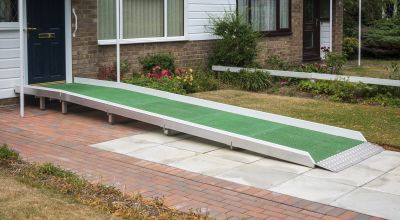

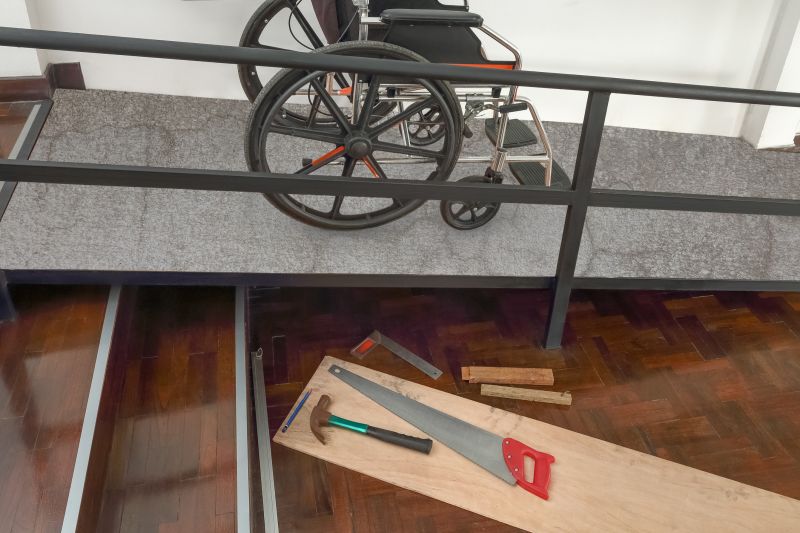
Special needs remodeling services focus on adapting existing homes to better accommodate individuals with mobility challenges, sensory sensitivities, or other special needs. These services typically involve modifying key areas such as bathrooms, kitchens, doorways, and hallways to improve accessibility and safety. Common modifications include installing ramps, widening doorways, adding grab bars, and lowering countertops. The goal is to create a living space that promotes independence and comfort for those with specific physical or cognitive requirements.
This type of remodeling helps address a variety of problems that can arise from aging, injury, or disabilities. For example, narrow doorways or stairs can pose significant barriers for wheelchair users, while lack of grab bars or non-slip flooring can increase fall risks for elderly residents. Special needs remodeling can also help reduce hazards related to sensory processing issues, such as installing softer lighting or soundproofing elements. These improvements are designed to make everyday activities easier and safer, helping individuals maintain a higher quality of life at home.
Properties that typically benefit from special needs remodeling include single-family homes, multi-family dwellings, and senior living residences. Homes that have been in use for many years often require modifications to meet current accessibility standards or personal needs. Additionally, properties that are being adapted for long-term care or for residents with specific health conditions are common candidates for this type of work. Regardless of the property type, the focus is on creating a space that supports safety, independence, and comfort for individuals with diverse needs.
Homeowners who notice challenges with mobility, balance, or accessibility in their current living environment may find special needs remodeling services to be a practical solution. These services can help resolve issues such as difficulty navigating narrow spaces, unsafe bathroom setups, or inadequate support features. By working with local contractors experienced in accessible design, homeowners can ensure their homes are better suited to their evolving needs. Contacting local service providers can provide options for making meaningful improvements tailored to specific requirements.
The overview below groups typical Special Needs Remodeling projects into broad ranges so you can see how smaller, mid-sized, and larger jobs often compare in your area.
In many markets, a large share of routine jobs stays in the lower and middle ranges, while only a smaller percentage of projects moves into the highest bands when the work is more complex or site conditions are harder than average.
Smaller Repairs - These typically range from $250-$600 for common modifications like grab bar installation or threshold adjustments. Many routine jobs fall within this middle range, with fewer projects reaching the higher end for more extensive modifications.
Moderate Renovations - Mid-sized projects such as bathroom modifications or wheelchair ramp additions usually cost between $1,500 and $4,000. Local contractors often handle these within this typical range, depending on the scope and materials used.
Full Room Remodels - Complete remodeling of a bathroom or bedroom can range from $5,000 to $15,000 or more. Larger, more complex projects tend to push into the higher tiers, though many projects stay within the mid-range depending on design choices.
Full Home Modifications - Extensive adaptations for entire homes, including multiple rooms and structural changes, can exceed $50,000. These larger projects are less common and usually involve detailed planning and higher costs due to scope and construction complexity.
Actual totals will depend on details like access to the work area, the scope of the project, and the materials selected, so use these as general starting points rather than exact figures.
Wheelchair Accessibility Renovations - local contractors can modify entryways, doorways, and flooring to improve mobility and access for individuals with special needs.
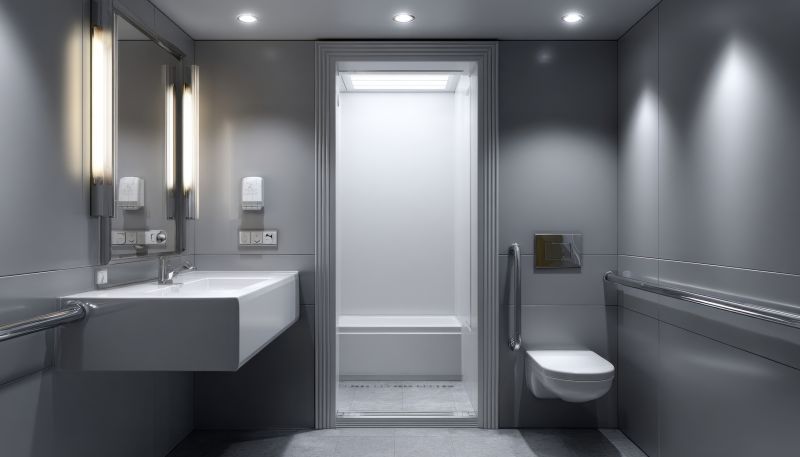
Bathroom Adaptations - service providers can install grab bars, walk-in showers, and accessible fixtures to enhance safety and independence.
Kitchen Modifications - local pros can tailor kitchen layouts with lowered countertops, accessible appliances, and ergonomic designs for easier use.
Ramps and Lift Installations - specialists can add ramps or residential lifts to facilitate smooth transitions between levels for mobility-impaired individuals.
Bedroom and Living Space Adjustments - service providers can create safe, accessible environments by widening doorways and installing supportive features.
Lighting and Safety Enhancements - local contractors can improve lighting and install safety features to reduce fall risks and increase visibility in living areas.
When selecting contractors for Special Needs Remodeling projects, it is important to consider their experience with similar types of work. Homeowners should look for local service providers who have a proven track record in handling remodeling projects that address accessibility, safety, and specific needs. An experienced contractor will understand the unique challenges involved and be better equipped to recommend practical solutions that meet individual requirements, ensuring the project is completed effectively and efficiently.
Clear, written expectations are a key component of a successful remodeling process. Homeowners should seek out local contractors who provide detailed proposals that outline the scope of work, materials, and responsibilities. This documentation helps establish mutual understanding and serves as a reference throughout the project. Transparent communication about what to expect can prevent misunderstandings and ensure that all parties are aligned on the goals and deliverables from the outset.
Reputable references and strong communication skills are essential when evaluating local service providers. Homeowners are encouraged to request references from past clients who had similar remodeling needs, allowing them to gain insights into the contractor’s reliability and quality of work. Additionally, good communication-such as prompt responses and willingness to answer questions-can foster a collaborative working relationship. It is important to remember that this site functions as a resource to introduce homeowners to local pros, not as the entity performing the work itself.
Property owners use Special Needs Remodeling services for practical projects around their homes and businesses. This guide focuses on everyday jobs and straightforward project options.
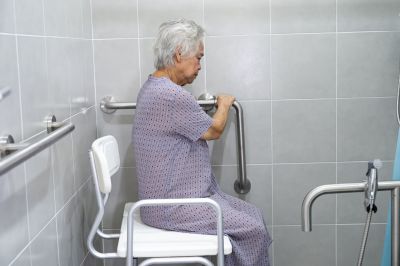
Special needs remodeling services are often needed when property owners want to make their homes safer and more accessible for individuals with mobility challenges or other special requirements. Common situations include modifying bathrooms with grab bars, installing ramps at entryways, or widening doorways to accommodate wheelchairs. These projects help create a more functional living space that supports independence and comfort for residents with special needs.
Local contractors who specialize in this type of remodeling can assist with a variety of modifications tailored to individual needs. Whether it's updating a kitchen for easier access or adding features that improve safety, these service providers understand the importance of thoughtful, practical solutions. Property owners seeking to enhance their homes for accessibility and safety can contact local pros experienced in special needs remodeling to explore options that suit their specific circumstances.
What types of modifications are included in Special Needs Remodeling services? Local contractors can assist with a variety of modifications such as wheelchair ramps, accessible bathrooms, widened doorways, and barrier-free entryways to improve accessibility and safety.
How can Special Needs Remodeling improve safety at home? Service providers can install features like grab bars, non-slip flooring, and improved lighting to reduce fall risks and create a safer environment for individuals with special needs.
Are there design options that accommodate mobility devices? Yes, local contractors can help design and implement spaces that allow for easy maneuvering of wheelchairs and other mobility devices, including open floor plans and accessible countertops.
What should be considered when planning a remodel for a person with special needs? It’s important to consider the specific mobility, sensory, and safety requirements, and to work with service providers who understand accessible design principles.
How can I find local specialists for Special Needs Remodeling projects? This website helps connect with local service providers experienced in accessible home modifications to meet individual needs effectively.
Bathroom Accessibility Modifications - Homeowners can explore options to install grab bars, walk-in tubs, or wheelchair-accessible showers to improve safety and independence.
Doorway and Hallway Widening - Widening doorways and hallways can make it easier for mobility devices to navigate through living spaces comfortably.
Kitchen Adaptations - Service providers can assist with lowering countertops, installing accessible appliances, or creating open layouts for easier use.
Flooring and Threshold Improvements - Upgrading flooring and reducing thresholds can help prevent tripping hazards and allow smooth movement throughout the home.
If you are thinking about Special Needs Remodeling for a property, this guide is meant to help you understand the work, the typical project types, and how different options might fit your plans.
When you are ready, you can use the quote form on this page to share a few details about your project. From there, local pros can review the basics and respond with options that match what you have in mind.