
Compare Local Contractors for Disability Home Modifications
Compare local contractors for disability home modifications to define project scope, verify experience, and establish clear expectations in writing for a successful upgrade.
Disability home modification services typically encompass a range of improvements designed to enhance accessibility and safety within a residence. These modifications may include installing ramps, widening doorways, adding grab bars, adjusting countertop heights, or modifying bathrooms to accommodate mobility aids. The goal is to create a living environment that supports independence and ease of movement for individuals with disabilities or mobility challenges. Understanding the specific needs and functions required helps ensure that the modifications effectively address daily living requirements and improve overall comfort.
Defining the scope of work is a crucial step in planning a home modification project. Clearly outlining what modifications are needed, the spaces involved, and the desired outcomes helps prevent misunderstandings and sets realistic expectations. A well-defined scope also provides a foundation for comparing different service providers, as it allows property owners to evaluate how each contractor plans to approach the project and whether their proposed solutions align with the needs. Writing down the scope and expectations can serve as a reference throughout the project, helping to ensure that all parties are aligned on the work to be completed.
When evaluating local contractors for disability home modifications, property owners should consider how each service provider approaches the project scope and their experience with similar work. Comparing credentials, project portfolios, and references can offer insight into a contractor’s familiarity with accessibility modifications. It’s beneficial to ask contractors about their process for defining project scope, how they communicate plans and expectations, and their approach to problem-solving. By gathering detailed information and clarifying the scope of work in writing, property owners can make more informed decisions, ensuring that the selected service provider is capable of meeting the specific accessibility needs of the home.
Compare local contractors by outlining your priorities, verifying experience, and clearly defining expectations in writing.
- Compare Service Providers - Review multiple local contractors to find the best match for your disability home modification needs.
- Define Project Scope - Clearly outline the work requirements to ensure all parties understand the expected modifications.
- Verify Experience - Check the background and past work of local contractors to assess their expertise in disability modifications.
- Document Expectations - Keep written records of project details and agreements to promote clarity and accountability.
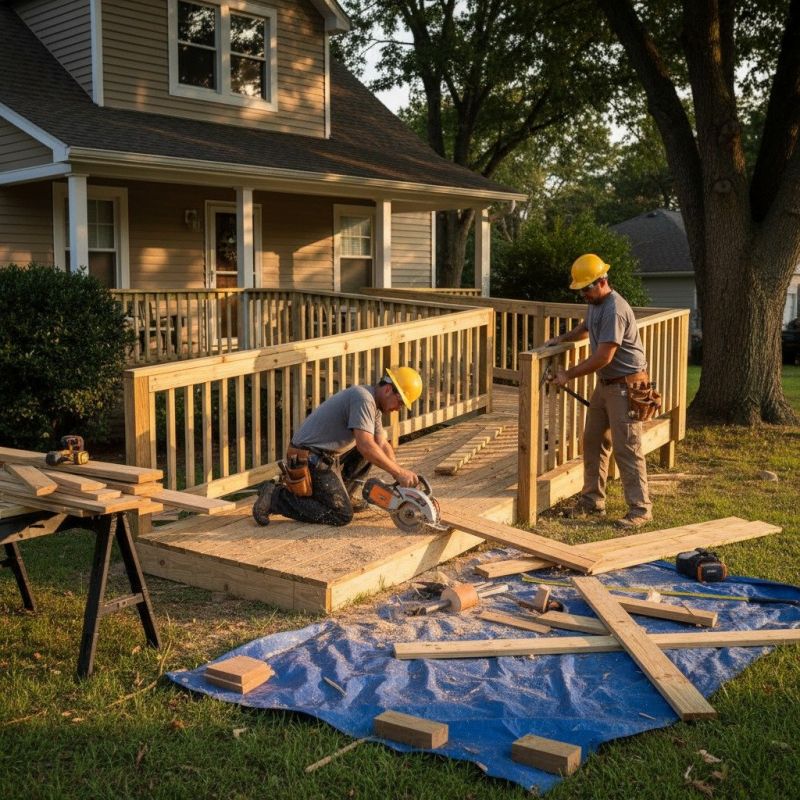
Clearly describe your disability home modification project to help compare local contractors, define scope, and set expectations in writing.
- Verify the experience of local contractors in disability home modifications to ensure familiarity with relevant accessibility standards. - Assess whether service providers have a clear understanding of the specific needs and scope of the project.
- Compare the scope of work outlined by different local contractors to ensure all necessary modifications are included and clearly defined. - Look for detailed descriptions of the work to prevent misunderstandings or overlooked requirements.
- Check references or reviews to gauge the quality of past disability modification projects completed by local service providers. - Ensure previous clients were satisfied with the contractor’s attention to accessibility and safety considerations.
- Ensure that the scope of work is documented in writing, including project details, responsibilities, and expectations. - A written agreement helps prevent disputes and clarifies what is included in the modification services.
- Assess the communication approach of local contractors to determine how well they explain options and respond to questions about modifications. - Effective communication is key to making informed decisions about accessibility improvements.
- Compare the warranties or guarantees offered by different service providers to understand the level of post-project support available. - Clear warranty terms can provide peace of mind regarding the durability and quality of the modifications.
Use this to compare local contractors, clarify project scope, verify experience, and set clear expectations in writing.


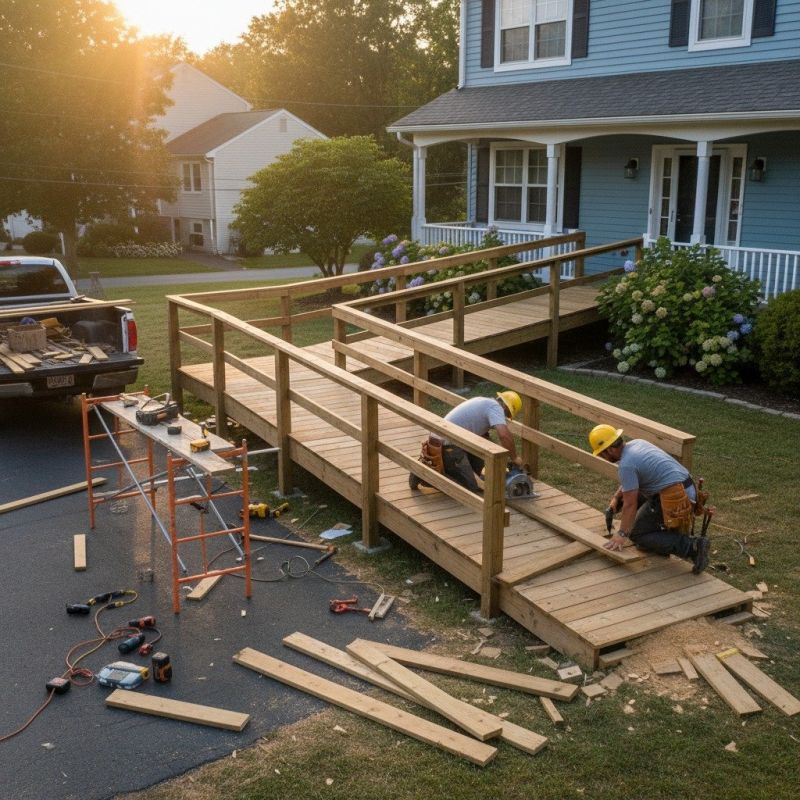
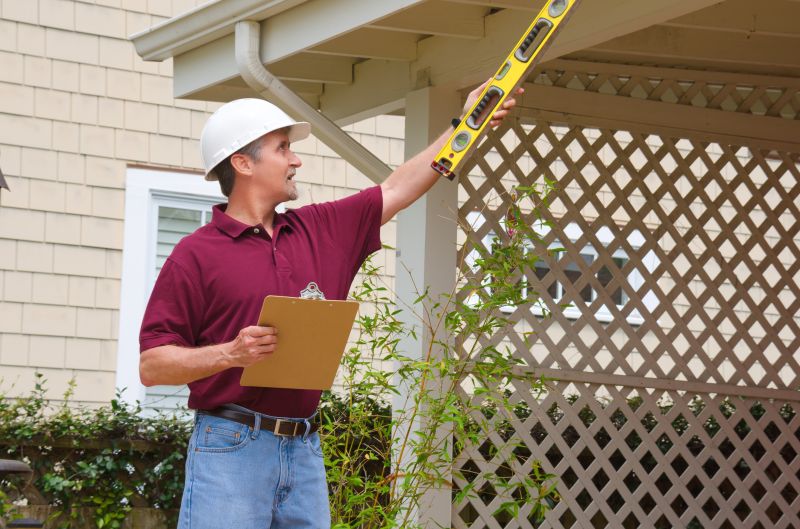
Use consistent comparison criteria to evaluate scope, experience, and written expectations across local contractors.
- Define the specific disability-related modifications needed to ensure accessibility and functionality. Establish clear scope details to communicate the desired adjustments and features for the home.
- Identify the experience and expertise of local contractors in performing disability home modifications. Verify that service providers have relevant background in similar projects to ensure quality work.
- Outline the project requirements and expectations in writing to facilitate accurate proposals and avoid misunderstandings. Ensure all scope elements are documented to promote clarity and accountability.
- Compare multiple local contractors based on their scope definitions, experience, and communication clarity. Use comparison to select service providers capable of meeting the defined needs effectively.
- Confirm that the scope of work aligns with the individual’s accessibility goals and home environment considerations. Make sure the planned modifications support the user’s specific needs and home layout.
When comparing contractors for disability home modification projects, it’s important to evaluate their experience with similar types of work. Service providers who have a proven track record in this specialized area are more likely to understand the unique needs and challenges involved. Homeowners should inquire about the types of modifications the contractor has completed and seek details about projects comparable in scope and complexity. This helps ensure that the selected contractor has relevant hands-on experience, which can contribute to smoother project execution and better outcomes.
A clear, written scope of work is essential when assessing potential contractors. The scope should outline specific tasks, materials, and responsibilities, providing a comprehensive understanding of what the project entails. Homeowners should look for detailed proposals that specify the work to be done, avoiding vague descriptions or assumptions. Having a well-defined scope helps prevent misunderstandings and sets clear expectations, making it easier to compare different service providers based on the thoroughness and clarity of their proposals.
Verification basics involve confirming that a contractor’s experience aligns with the project requirements and that their qualifications are suitable for the type of modifications needed. Homeowners should ask for references or examples of past projects similar to their own, and consider the contractor’s reputation within the local community. It’s also helpful to verify that the contractor understands relevant building codes and standards, which can impact the safety and compliance of the modifications. These verification steps can provide confidence in the contractor’s ability to deliver quality work.
Evaluating options without focusing on prices involves assessing the quality of the proposals, the level of detail provided, and the professionalism demonstrated by each service provider. Homeowners should compare how well each contractor understands the project scope, their experience with similar modifications, and the clarity of their communication. It’s also beneficial to consider how each contractor plans to approach the work and whether their proposed methods align with the homeowner’s needs. This approach ensures that the decision is based on expertise and fit for the project, rather than cost alone.
Ask service providers to provide written scope details to ensure clear understanding and consistent expectations.
- Scope Clarification - What specific modifications do local contractors plan to include in their scope of work?
- Experience Verification - How can it be confirmed that local service providers have relevant experience with disability home modifications?
- Comparison Criteria - What criteria should be used to compare different contractors’ approaches and service offerings?
- Work Scope Documentation - Are the scope details and project expectations clearly documented in writing?
- Specialization Focus - Do the local contractors specialize in disability home modifications and understand relevant accessibility needs?
How can I compare contractors for disability home modifications? To compare local contractors, review their experience, services offered, and references. It’s helpful to ask for detailed written proposals that outline the scope of work to ensure clarity and alignment with needs.
What should I consider when defining the scope of a modification project? Clearly identify the specific accessibility improvements needed, such as ramps or bathroom modifications, and communicate any preferences or requirements to help contractors provide accurate proposals.
How can I verify a contractor’s experience with disability home modifications? Request information about past projects similar to your needs, and ask for references or testimonials that can confirm their familiarity with accessible design and construction practices.
What is important to include in a written agreement with a contractor? The agreement should specify the scope of work, materials, project expectations, and any relevant standards or codes to help set clear expectations and avoid misunderstandings.
How do I ensure a contractor understands my accessibility needs? Communicate your requirements clearly in writing, and ask the contractor to confirm their understanding and approach before work begins to ensure alignment.
What questions should I ask a contractor before hiring for disability home modifications? Inquire about their experience with similar projects, methods for handling specific accessibility features, and how they plan to coordinate the work to meet your needs effectively.
This page has provided an overview of how to find and compare contractors for disability home modifications. Visitors learned the importance of defining the scope of work clearly, verifying the experience of local service providers, and setting expectations in writing to help ensure a smooth process. Using the quote form allows for an easy way to explore and evaluate local contractors who can handle the specific needs of a home modification project.
To move forward, visitors are encouraged to utilize the quote form to compare options available in the area. Connecting with local contractors through this tool can help identify experienced service providers capable of managing the job. Taking the time to review and compare local options can support making informed choices tailored to individual requirements.