
Compare Local Contractors for Attic Conversion Projects
Compare local contractors for attic conversion to define project scope, verify experience, and set clear expectations for a successful upgrade.
Attic conversion projects typically involve transforming unused attic space into functional living areas, such as bedrooms, home offices, or recreational rooms. This work often includes assessing the existing structure, reinforcing floors, installing insulation, adding electrical wiring, and ensuring proper ventilation. Defining the scope of the project early helps property owners understand what the conversion will entail, including the necessary modifications and the level of finish desired. Clear scope definition ensures that all parties have aligned expectations and helps prevent misunderstandings during the process.
Establishing a detailed scope also highlights the importance of verifying the experience and capabilities of local contractors. Property owners should look for service providers with relevant experience in attic conversions, including familiarity with local building codes and structural requirements. It’s beneficial to review a contractor’s past projects or request references to gauge their proficiency. Additionally, putting the scope of work in writing creates a reference point that can be used to manage expectations and ensure that all aspects of the project are agreed upon before work begins.
When comparing local contractors for attic conversion work, property owners should consider several practical factors. These include the contractor’s reputation within the community, their ability to clearly communicate project details, and their approach to defining and managing project scope. It’s helpful to ask for detailed proposals or written estimates that outline the work to be performed, materials to be used, and the responsibilities of each party. By evaluating these elements, property owners can make informed choices and select service providers who are well-suited to meet the specific needs of their attic conversion project.
Compare local contractors by outlining project priorities, verifying experience, and establishing clear written expectations.
- Compare Contractor Experience - Review the background and project history of local contractors to ensure relevant expertise.
- Define Project Scope Clearly - Establish detailed work parameters and expectations in writing before beginning.
- Verify Credentials and References - Check references and past work to assess the quality and reliability of service providers.
- Set Expectations in Writing - Document all project details, including scope and responsibilities, to avoid misunderstandings.
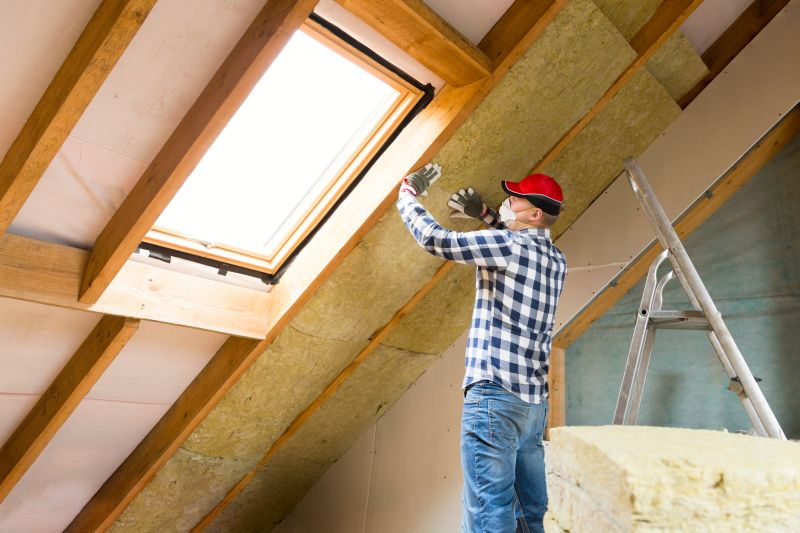
Before comparing contractors, clearly describe your attic conversion project to help find the right local service providers and set clear expectations.
- Verify experience with attic conversions to ensure familiarity with similar projects. - Assess whether the service providers have a clear understanding of the scope and requirements of attic conversions.
- Compare multiple local contractors to evaluate their expertise and approach to attic space transformation. - Ensure that scope details, materials, and methods are clearly defined and documented in writing.
- Check references or reviews to gauge the quality of previous attic conversion projects handled by the contractors. - Confirm that the service providers are experienced in handling structural, insulation, and ventilation aspects of attic conversions.
- Discuss project expectations and deliverables upfront to establish a mutual understanding of the work involved. - Clarify what is included and excluded in the scope to prevent misunderstandings later.
- Ensure that all project details, including scope, materials, and timelines, are documented in a written agreement. - This helps facilitate clear communication and sets proper expectations for the attic conversion process.
Compare local contractors, clarify project scope, verify experience, and document expectations for a successful attic conversion.
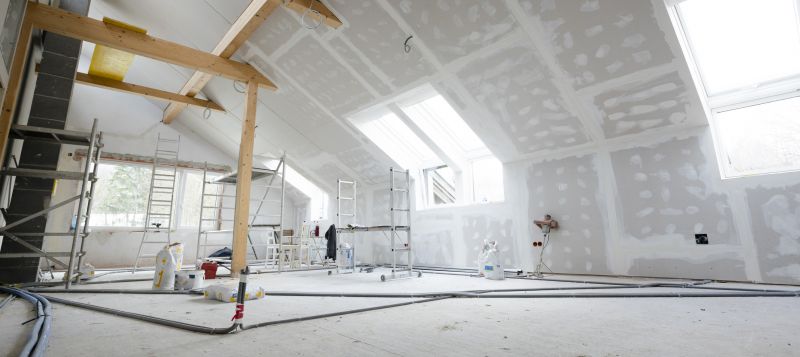

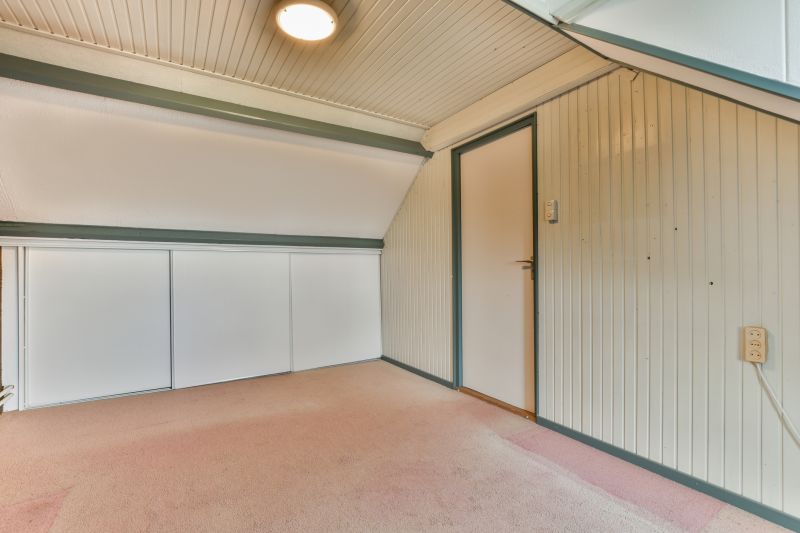
A clear scope and verified experience help ensure consistent comparisons among local contractors for attic conversion services.
- Scope Definition - Clearly outline the specific tasks and areas involved in the attic conversion project.
- Experience Verification - Identify service providers with relevant experience in attic conversions to ensure quality work.
- Material and Design Preferences - Specify desired materials, finishes, and design features to align contractor proposals.
- Project Expectations - Establish written expectations for project outcomes, including structural modifications and finishes.
- Comparison Criteria - Develop a set of criteria to compare local contractors based on scope, experience, and communication.
When comparing contractors for an attic conversion, it’s important to evaluate their experience with similar projects. Homeowners should inquire about the types of attic conversions the contractor has completed in the past, paying attention to the scope and complexity of those jobs. A contractor with a proven history of handling projects comparable to the desired conversion can offer insights into potential challenges and solutions, helping to ensure the work aligns with expectations. Verifying that a contractor has relevant experience can provide confidence that they understand the specific requirements and considerations involved in converting an attic space.
A clear, written scope of work is essential when assessing different service providers. Homeowners should request detailed descriptions of what the project will include, outlining specific tasks, materials, and finishes. This documentation helps prevent misunderstandings and sets a foundation for clear communication throughout the project. An explicit scope also allows for easier comparison between contractors, ensuring that each proposal covers the same essential elements and that expectations are aligned from the outset.
Verification basics involve confirming that a contractor’s credentials and references are legitimate and relevant. Homeowners should seek references from previous clients who had similar attic conversions, and verify that those projects were completed satisfactorily. Checking a contractor’s track record with local building departments or industry groups can also provide additional assurance of their credibility. While licensing is not a focus here, verifying experience and reputation remains a key step in selecting a trustworthy service provider.
When evaluating options, it’s helpful to consider how each contractor communicates and documents their approach. Homeowners should look for detailed proposals that specify the scope of work, materials, and project milestones in writing. Comparing these written plans allows for a more informed decision based on clarity and thoroughness, rather than price alone. By focusing on the quality of communication and the comprehensiveness of the scope, homeowners can better gauge the professionalism and reliability of local contractors capable of handling an attic conversion.
Ask contractors to provide written scope details to ensure clear expectations and consistent project understanding.
- Experience and Portfolio - What relevant attic conversion projects have local contractors completed recently?
- Scope of Work - How do contractors define and outline the specific tasks included in the attic conversion?
- Comparison of Services - What services and features do different local service providers offer for attic conversions?
- Work Expectations - How do contractors clarify the project scope and deliverables in writing before starting?
- Qualifications and Expertise - What experience and skills do local contractors have that ensure quality attic conversions?
What should I consider when choosing a contractor for attic conversion? It's important to compare local contractors based on their experience, scope of work, and reputation. Ensuring clear communication and understanding of project details can help find a suitable service provider.
How can I verify a contractor’s experience with attic conversions? Ask potential contractors about their previous projects and request references. Reviewing their portfolio or work history can provide insight into their expertise and quality of work.
What questions should I ask to define the scope of an attic conversion? Clarify what specific work is included, such as insulation, flooring, electrical, and ventilation. Discuss any design preferences and ensure all expectations are outlined in writing.
Why is it important to have a written agreement with a contractor? A written agreement helps set clear expectations, details the scope of work, and serves as a reference to prevent misunderstandings during the project.
How can I compare different contractors effectively? Review their experience, scope of services, references, and reputation. Gathering multiple quotes and asking detailed questions can aid in making an informed decision.
What factors should I consider about a contractor’s reputation? Look for reviews, testimonials, or feedback from previous clients. A contractor's history of reliable service and quality work can be indicators of their professionalism.
This page has highlighted the importance of comparing local contractors to find the right professional for attic conversion projects. Visitors learned how to define the scope of work, verify experience, and ensure that expectations are clearly outlined in writing. Taking these steps can help in making informed decisions when choosing service providers for attic conversions.
Using the provided quote form allows visitors to easily connect with local contractors who can handle attic conversion services. It offers a straightforward way to compare options and gather the information needed to select a suitable service provider for the job.